





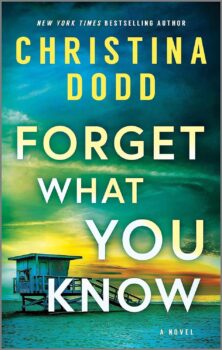
Christina Dodd
Available Now!
A submerged car is pulled from the bottom of the lake. The driver has been shot in the back of the head and no other bodies are found. Only the legendary Dragon’s Heart remains inside. When it rises to the surface, greedy collectors from around the world gather. They’ll stop at nothing to gain possession of the priceless artifact, and only flower-breeder Zoey Phoenix, the unknowing heir, stands in their way…
Forget what you know…yet the past remembers.
Read More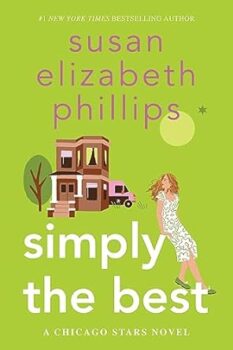
Susan Elizabeth Phillips
Available Now!
#1 New York Times bestselling author Susan Elizabeth Phillips returns with the next book in her Chicago Stars series where a successful sports agent and the sister of his biggest client engage in a take-no-prisoners battle of the sexes.
Take one hard-driving sports agent… Throw in a failed chocolatier… And her superstar football player brother… Add a quirky pink and purple food truck.
Then, to really screw things up, mix in a very unfortunate murder.
Read More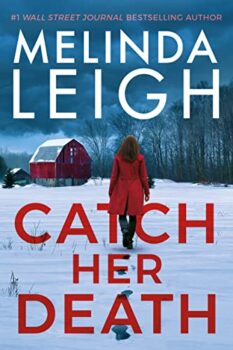
Melinda Leigh
Available Now!
Sheriff Bree Taggert and those she loves become the target of a family’s deadly revenge in a chilling novel of suspense by #1 Amazon Charts and Wall Street Journal bestselling author Melinda Leigh.
After Sheriff Bree Taggert’s takedown of cold-blooded murderer Travis Ekin, his family vows revenge. Travis’s mother and brothers are every bit as violent, and Bree is in their crosshairs.
Read More
Catherine Anderson
Available Now!
The beloved author of the Mystic Creek series gifts readers with a novel of homespun holiday cheer, as two families discover the joy of hope and redemption….
Widow Maddie McLendon has uprooted her life to move to Rustlers Gulch with her son and grandson. But as a brutal Montana winter looms on the horizon, contractors have yet to break ground on their new house, leaving them to live in a makeshift camp of trailers, tents, and sheds….
Read More

Pam Binder
Available Now!
Madeline Mercer is illegitimate, her mother a brothel owner. At Madeline’s boarding school, a professor threatens to expose their secret. Her mother proposes Madeline marry an English nobleman whose power could protect them from scandal. On the road to Conclarton Castle, Madeline befriends a soldier and risks their plans and her heart.
Robert Oswyn, Eighth Duke of Conclarton, never wanted the title. As the spare, he would marry for love. While fighting against Napoleon, he learns his father and elder brother are dead. Believing they were murdered, he vows to find their killer. Madeline helps him discover the truth, and her kindness, inner beauty, and desire to help others wins his love.
But will duty and secrets keep them apart?
Read More
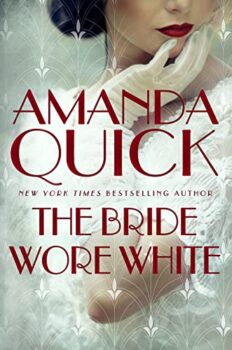
Amanda Quick
Available Now!
A psychic desperate to escape her destiny—and a killer—finds her future in the coastal town of Burning Cove in New York Times bestselling author Amanda Quick’s latest novel.
Being Madame Ariadne, Psychic Dream Consultant, wasn’t Prudence Ryland’s ideal gig, but it paid well which was reason enough to do the work—until she realizes that her latest client intends to kill her. But Prudence, a master at reinvention, finds a new job and home as far away as possible and is finally able to relax—which turns out to be a big mistake. Letting her guard down means being kidnapped and drugged and waking up in a bloodstained wedding dress in the honeymoon suite next to a dead man. With the press outside the hotel, waiting with their cameras and police sirens in the distance, it’s obvious she’s being framed for the man’s murder. Prudence knows who is responsible, but will anyone believe her?
Read More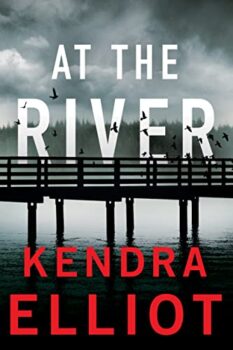

Sabrina Jeffries
Available Now!
Daredevil Lord Gabriel Sharpe knows he must marry in order to inherit his grandmother’s inheritance. But he does not expect his chance at marriage would appear in the feisty form of Virginia Waverly.
Ever since her brother died racing Lord Gabriel, Virginia has yearned to get her revenge by beating him at his own game. But when she challenges him to a race, Gabriel counters with a marriage proposal. After all, he knows Virginia is in dire financial straits—so why not marry her and solve both of their problems?
Read More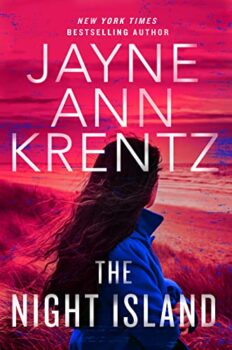
Jayne Ann Krentz
Available Now!
The disappearance of a mysterious informant leads two people desperate for answers to an island of deadly deception in this new novel in the Lost Night Files trilogy by New York Times bestselling author Jayne Ann Krentz.
Talia March, Pallas Llewellyn, and Amelia Rivers, bonded by a night none of them can remember, are dedicated to uncovering the mystery of what really happened to them months ago—an experience that amplified innate psychic abilities in each of them.
Read More
Jayne Castle
Available Now!
Welcome to the world of Harmony, where—despite its name, things are anything but—danger lurks just beneath the surface in this new novel by New York Times bestselling author, Jayne Castle.
If there’s something Ravenna Chastain knows, it’s when to end things. And after she almost winds up the victim of a cult that believes she’s a witch, it’s easy to walk away…
Read More
Diana Palmer
Available Now!
“You just can’t do better than a Diana Palmer story to make your heart lighter and smile brighter.” —Fresh Fiction on Wyoming Rugged
A sudden romance leads to betrayal and a shocking secret…
It takes one night for Erianne Mitchell to fall heart-first for dashing architect Ty Mosby. They work together and have friends in common—and a searing attraction that seems far too good to last.
Read More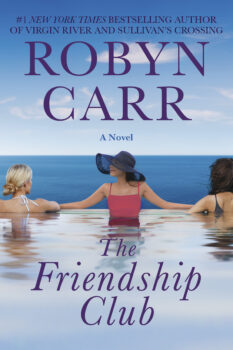
Robyn Carr
Available Now!
The highly-anticipated new novel from the #1 bestselling author of Virgin River. Four women come together at a tumultuous time in their lives, forging an unbreakable bond that will leave them all forever changed.
Four women find themselves at a crossroads, each navigating the challenges of dating, marriage, loneliness and love. Thankfully, they have each other to lean on. The realities of modern love are far from easy, but there’s no better group to have in your corner than friends who will lift you up, no matter what, and hold fast in the face of any storm.
Read MoreSpotlight on New Releases




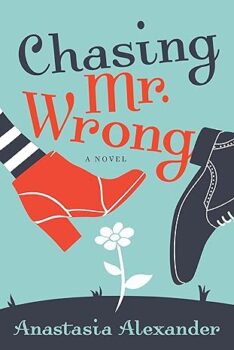

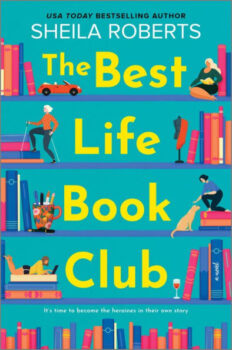



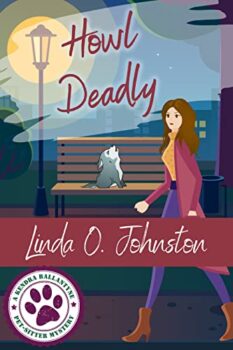







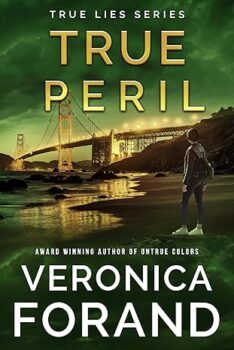

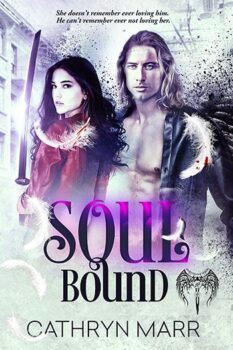

Spring has sprung and May is bursting into beautiful bloom with great books from some your favorite authors. Pick a bunch of your favorites this month.
Author News

Katie Mettner
Join us on my Facebook author page for a fun release day party for CAUGHT BY THE COMPLICATED DOC!
The party will start on April 30th, 2024 and go through May 3, so you have plenty of time to come play the games and enter to win signed books and goodies!
Read more
Latest from our Blog
What the World Needs Now…

Besides love? More book clubs! When I first came up with my idea for THE BEST LIFE BOOK CLUB, I thought I was being so original, so clever. A book about a book club – yes! And then, after I’d surfaced from my writing cave back into the sunlight, I blinked and saw… all kinds… Read More
Read More